
"cupping defects"
6000 article(s) found
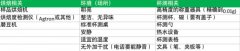
SCAA (Specialty Coffee Association of America) Standard Coffee Cup Test
[Cup test environmental equipment] ① Description of cup and bowl for cup test: SCAA recommends tempered glass or porcelain cup with capacity of 207-266ml and diameter of 76-89 mm. The lid can be made of any material. All utensils should be clean, odor-free, of the same specifications and materials (for example, glass and porcelain bowl cannot be mixed, and different capacities cannot be mixed)[Cup test sample preparation] Baking 1.

What are the characteristics of defective coffee beans? factors that affect the flavor of high-quality coffee
Which are the defective beans that affect the flavor of high-quality coffee? Moldy beans: cyan and white bacteria grow because they are not completely dry or are too wet during transportation and preservation, which will make the whole cup of coffee mildew if mixed into roasting and grinding. Fermented beans: there are two main causes: one is the process of soaking in a washing fermentation tank, which is formed by water pollution.

High-quality Indonesian coffee raw bean classification standard brand altitude planting environment origin
Boutique coffee beans 1. Generally speaking, coffee is not classified according to altitude in countries near the equator because coffee is grown at a higher altitude. In addition, if it is picked by hand and processed by washing, it will not be graded by bad points because there are few immature beans and sundries mixed in. Therefore, the size of the sieve number is generally used as the grading standard. Such as: Colombia, Tanzania
Yega Sheffield grades are mainly defective beans. Is Arabica coffee beans expensive?
Professional coffee knowledge exchange more coffee bean information please follow the coffee workshop (Wechat official account cafe_style) Front Street-Yega Xuefei grading introduction Ethiopia Mercantile Exchange (ECX-Ethiopia Commodity Exchange) is an agricultural market where buyers and sellers come together to trade to ensure quality, delivery and payment. ECX's vision is to become

What is a cup test? Step of cup test method | Coe cup test standard | difference between COE and SCA cup meter
Professional coffee knowledge exchange more coffee bean information Please follow the coffee workshop (Wechat official account cafe_style) once you have entered this pit of individual coffee, you have more or less heard of the cup test. Sometimes when you buy coffee beans, you see a bunch of flavors written on it. These are what we feel during the cup test. What is a cup test? The so-called cup test is like

The roaster must learn how to select qualified raw coffee beans and screen defective beans.
For professional baristas, please follow the Coffee Workshop (Wechat official account cafe_style) article for heavy coffee knowledge readers, or those who plan to become bakers, purchase notes before buying raw coffee beans. It takes patience to pick beans. Author = Han Huaizong's fine coffee extracted from shell beans must be based on the bean's (1) defect level (2) before being exported.
Global Coffee Bean grading system details of Raw Bean grading Standards in Coffee producing countries
For the exchange of professional baristas, please pay attention to the naming methods of coffee in coffee workshop (Wechat official account cafe_style): G1, G2, G3, G4, AA, PB, SHB, SHG, EP, PLANTATION. What exactly does it stand for? The information that may be included in the name of a coffee is: country, producing area, variety, treatment, cup quality, bean order, bean shape or bean color, defect quantity
Tips for selecting defective beans in coffee
First pick out, then pick out the glossy dead beans, fermented beans and immature beans, and finally eliminate shell beans and worm-eaten beans with different shapes.
Classification of raw coffee beans by the American Special Coffee Association
Level 1: special product defects: 0-5 do not allow to contain obvious defects total sample weight: 300 grams sample size difference: less than 5% 5% or so, or within the specified range of appreciation features: must be at least a little outstanding in the following characteristics: taste, sour taste, taste, aroma. The characteristics will be determined by both the buyer and the seller. After cup testing and appreciation, there are no defects. Baking difference
American Special Coffee Association Coffee Raw Bean Classification description
Level 1: special product defects: 0-5 do not allow to contain obvious defects total sample weight: 300 grams sample size difference: less than 5% 5% or so, or within the specified range of appreciation features: must be at least a little outstanding in the following characteristics: taste, sour taste, taste, aroma. The characteristics will be determined by both the buyer and the seller. After cup testing and appreciation, there are no defects. Baking difference

What are the unripe beans in the defective coffee beans? Why unripe beans are formed?
Professional coffee knowledge exchange more caffeine beans information please pay attention to the coffee workshop (Wechat official account cafe_style) physical features: raw beans show broken, broken and other mechanical damage wounds, sometimes the edges will show black classification and defect score 5 damaged beans are counted as an II defect. Effect in the cup: if there is mildew, there is obvious earthy smell, dirty taste, sour taste and

Blue Mountain Coffee Grade authentic Blue Mountain Coffee Taste and flavor is Blue Mountain Coffee expensive?
What's the taste of Blue Mountain Coffee? Is it authentic? Blue Mountain No. 1 Blue Mountain No. 1 beans 96% of the coffee beans must be a sieve size of 17gray 18, no more than 2% of the defective beans. Blue Mountain No. 2 Blue Mountain No.2 beans 96% of coffee beans must be sieve size 16, no more than 2% of defective beans. Blue Mountain No. 3 Lanshan No.3 bean 96%

What are the broken beans in the defective beans of coffee? How is the broken bean formed?
Professional coffee knowledge exchange more caffeine beans information please pay attention to the coffee workshop (Wechat official account cafe_style) physical features: raw beans show broken, broken and other mechanical damage wounds, sometimes the edges will show black classification and defect score 5 broken beans count as an II defect. Effect in the cup: if there is mildew, there is obvious earthy smell, dirty taste, sour taste and hair.

Points for attention in the examination process of Q-Grader raw beans how to distinguish defective coffee beans
CQI Coffee quality Institute's Q-Grader Coffee tasting Test has always been the most stringent and valuable sensory test in the global coffee industry. In this examination, in addition to the higher requirements for the sensory ability of candidates, but also have a certain understanding of the basic knowledge of coffee. Explain,

A simple introduction to the world of defective coffee beans
Professional barista communication, please pay attention to coffee workshop (Weixin Official Accounts cafe_style ) 01 Coffee growing environment Coffee beans in appearance differences come from different growing environments, coffee growth zone is usually Tropic of Cancer and Tropic of Cancer and tropical areas near the equator. Unique coffee varieties are grown in special growing areas, and there are many types of coffee beans and growing environments. for finishing

Characteristics of Sidamo Coffee grading system what are the grades of Ethiopian coffee beans G1 and G2
Question1: why are Ethiopian coffee beans always big and small? If you are very fond of African beans, it should be easy to find that Ethiopian beans are generally of different sizes and have significantly lower evenness than those in Kenya. Sometimes roasting appearance can be found in the observation of the same batch of coffee beans, no matter whether it is Yega Xuefei or Sidamo, whether it is washed or insolated.
Grading of raw coffee beans
At present, there are three main rating criteria for raw coffee beans, and different countries adopt different rating methods according to their own production conditions and national conditions (not all coffee producing countries adopt the same method). Let's introduce these three popular rating methods. One: the reason for the emergence of such a classification standard according to the altitude of the coffee producing area is mainly because of the high level.

The influence of Coffee defects on Coffee quality
Professional barista communication please follow the coffee workshop (Wechat official account cafe_style) flying sand and stone, flying nails away iron, vacuum packaging to ensure freshness. This slogan comes from the White Rice advertisement many years ago. At that time, I bought rice, unlike what supermarkets see now, with equal weight and white grains. The rice shop is usually named after the number. In addition to rice, it also sells oil, salt and fermented bean curd.
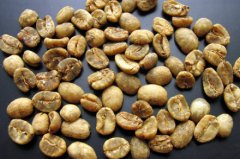
What are the defective beans in the coffee beans?
Moldy beans: cyan and white bacteria grow because they are not completely dry or are too wet during transportation and preservation, which will make the whole cup of coffee mildew if mixed into roasting and grinding. Fermented beans: there are two main causes: one is the process of soaking in a washing fermentation tank, which is formed by water pollution, and the other is that the moisture in the warehouse makes it ferment and make the beans.
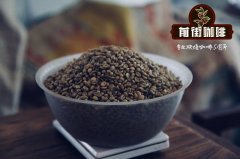
What do you pick by hand? Why pick out defective beans? Introduction and cause of defective coffee beans
What do you pick by hand? Introduction and cause of defective coffee beans are often mixed with impurities and bad beans, impurities refer to some sand, dead branches of debris, and bad beans we often call "defective beans". Before baking, if these impurities and defective beans are not carefully removed manually, it will affect the overall quality and flavor of the coffee. For the coffee industry